The illusion of modern-day meritocracy

That is, most observers—novelists, economists, and laypersons alike—tend to assume that labor income now plays a much bigger role than inherited wealth in shaping people’s lives, and that human capital and hard work have become the key to personal material well-being. Although this is rarely formulated explicitly, the implicit assumption seems to be that the structure of modern economic growth has led to the rise of human capital, the decline of inheritance, and the triumph of meritocracy.

This article asks a simple question: is this optimistic view of economic development justified empirically and well grounded theoretically? The simple answer is “no.” Our empirical and the- oretical findings suggest that inherited wealth will most likely play as big a role in twenty-first-century capitalism as it did in nineteenth-century capitalism—at least from an aggregate view- point.

That is Piketty in an interesting paper on the long-run evolution of inheritance in France – in the current issue of the QJE (this is gated but ungated versions are available online ).

Remembering Steve Jobs

Apple has forever changed the way we interact with technology.

In memory of its co-founder Steve Jobs check out his 2005 commencement speech at Stanford:

[youtube.com/watch?v=D1R-jKKp3NA&feature=player_embedded#!]

Also, check out Melina’s tribute to Mr. Jobs here.

Drought is an act of nature, famine is man-made

Check out this new campaign video by ONE.org

[youtube.com/watch?feature=player_embedded&v=dzcRSr6PW_o]

You can sign the petition here.

HT HuffPost

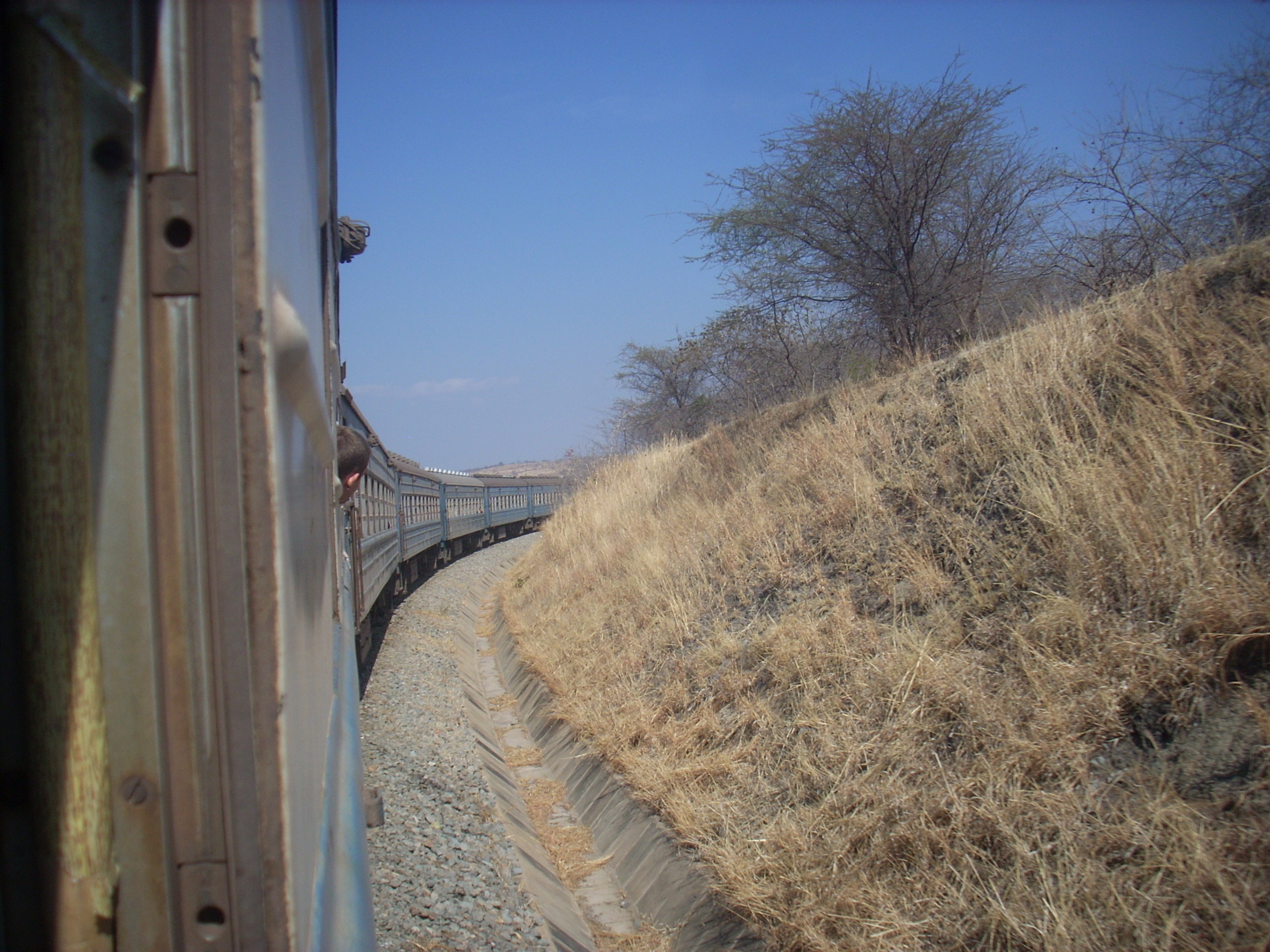
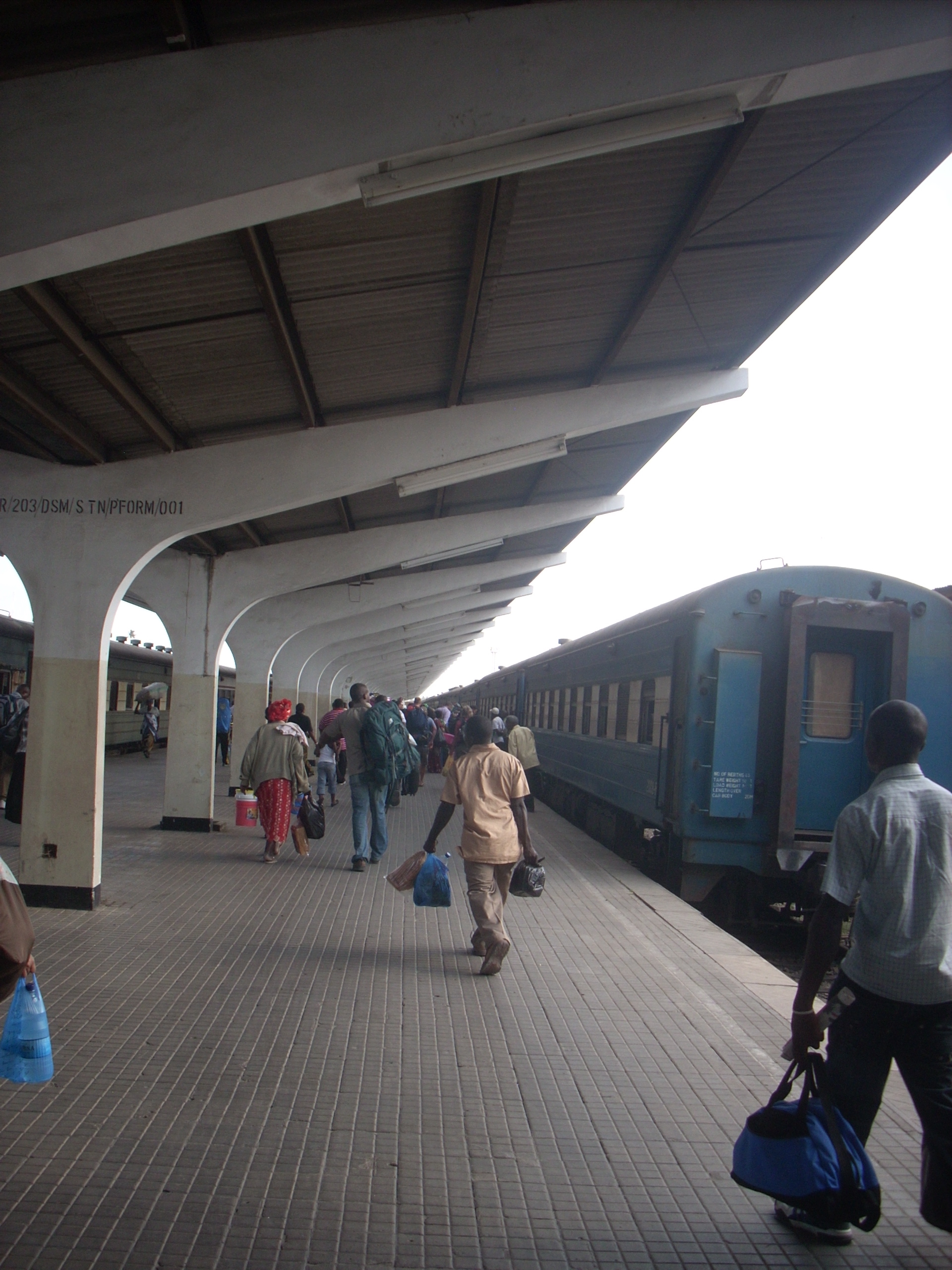
TAZARA Pictures (Preview, see link to original post and more pictures below)

Richard White’s Railroaded proved to be an appropriate reading for the trip

Leaving Dar es Salaam

Most of the two-day ride was across the empty countryside

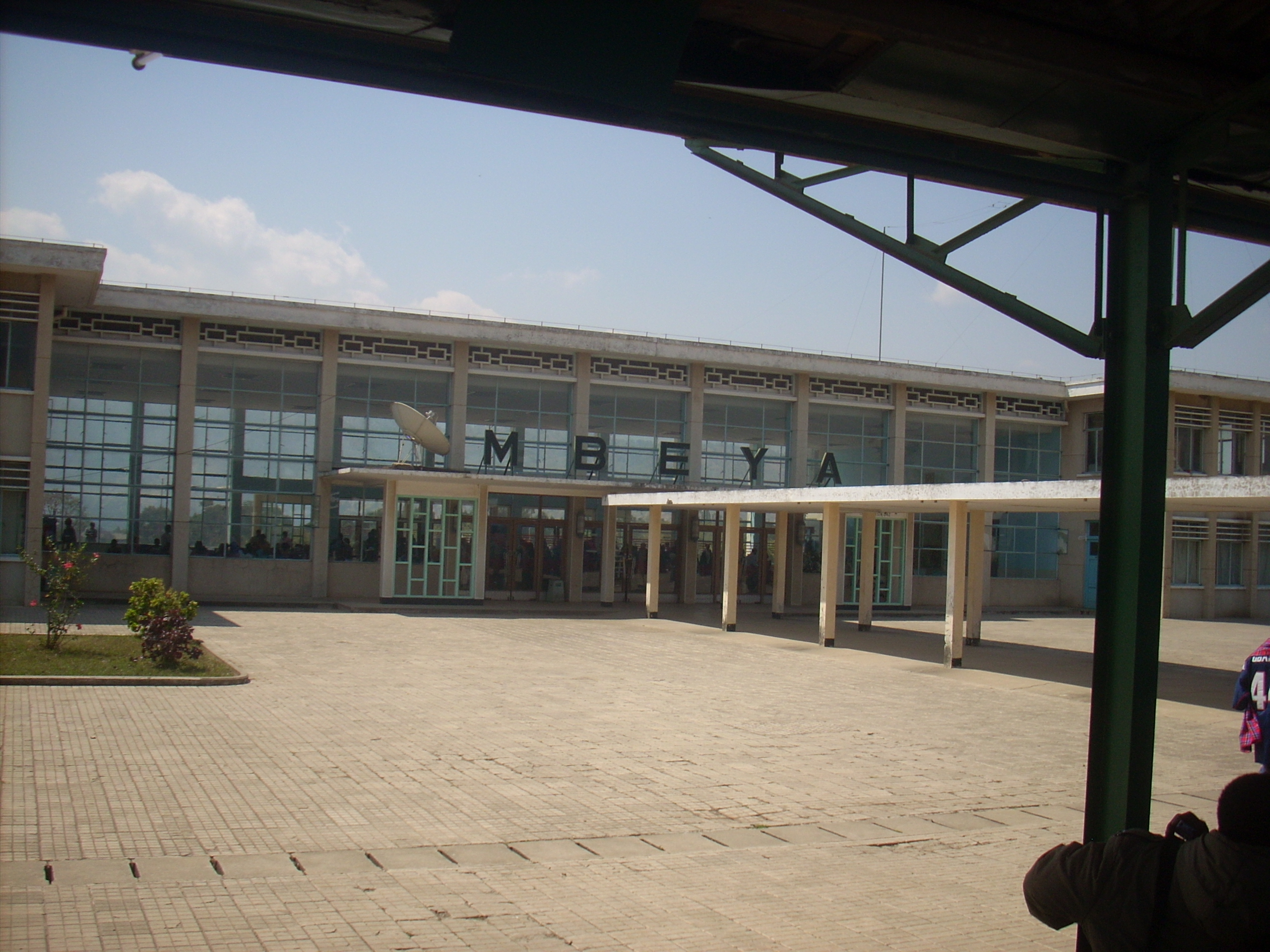
Mbeya is the biggest station before Kapiri. We broke down here for almost 5 hours

Of course the picture collection wouldn’t be complete without the African sunset

Just a reminder of who built the railway line

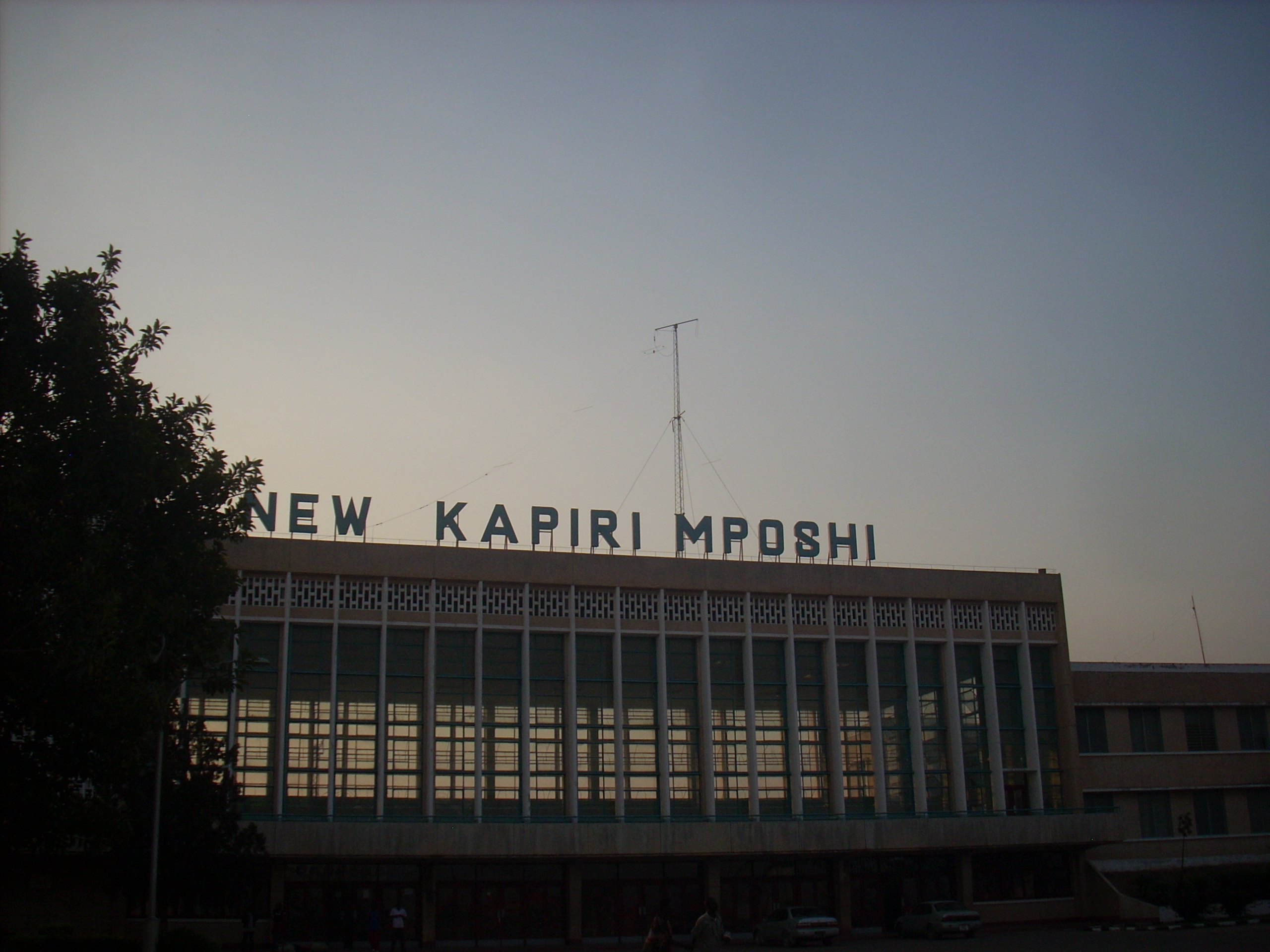
Kapiri Mposhi, final stop on the TAZARA line

The original post is here.

What does a Sata Presidency Mean for Zambia?

UPDATE:

For a closer take on the Sino-Zambian connection check out Louise Redvers’ piece for the BBC.

************************************

So the Economist beat me to writing about what a Sata presidency means for the Zambian economy, especially with regard to foreign investment.

For the two of you out there who are not conversant with the campaign details in the Zambian election, Mr. Sata’s main campaign strategy involved characterizing incumbent President Banda as someone who was out to mortgage Zambia’s future to foreign investors, and especially China.

Here is what the Economist had to say:

“He is too savvy a politician not to realise how much this impoverished country of 13m people needs China’s cash. Over the past decade, the Chinese have invested over $2 billion in Zambia, the GDP of which is only $16 billion. More than half of that came in last year. And China is committed to pouring in billions more. There are now about 300 Chinese companies in Zambia, most of them privately owned, employing around 25,000 locals. Standards differ: some companies treat their workers badly, but most of the big state-owned companies genuinely seek to respect local labour laws.”

The long and short of it is that Sata will definitely kick out a few shady companies that were operating outside the law – and these are not just Chinese firms; the South Africans and Australians also have some shady businesses in Zambia. The former, especially, have a lot of money-laundering operations.

More on this here and here.

On the democracy and governance front, things won’t change much. President Sata’s camp is full of recycled UNIP veterans. UNIP was the independence party that ruled Zambia between 1964 and 1991. Mr. Sata, however, could surprise us by finally passing through a new constitution for Zambia. The last parliament killed the proposed constitution.

Will be blogging less regularly in the next few weeks

Dear readers, third year of graduate school requires that I blog less frequently over the next three weeks or so.

Instead of the almost daily updates I will be bunching up the posts whenever time permits. You can also follow me on twitter at @kopalo where I regularly comment on stories on Africa and other interests of mine.

I should be back to regular postings by the last week of October.

when dictators’ oracles fail them

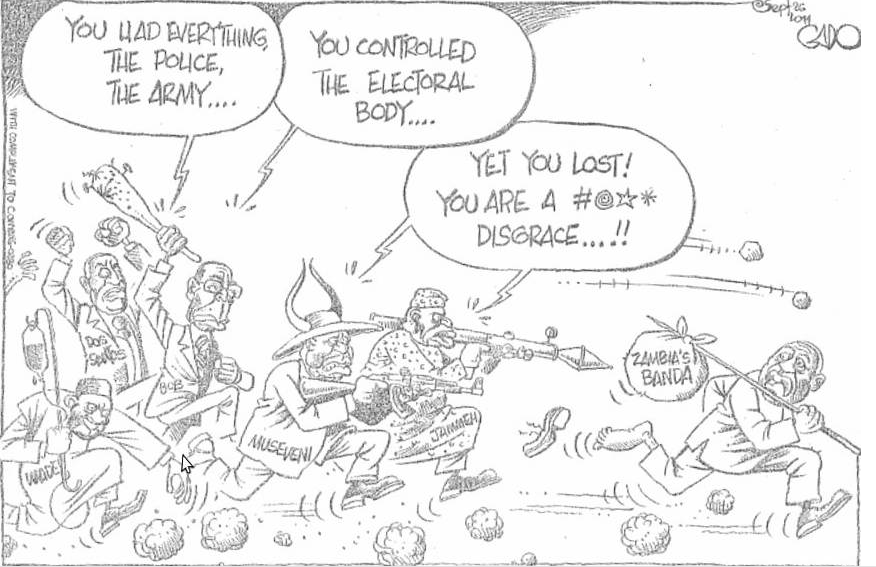
One of the biggest problems in dictatorships is the dearth of dependable information. This problem affects both dictators and their oppressed subjects alike. The same applies to presidents in electoral regimes who surround themselves with “yes men,” the latter who are oftentimes more concerned about pleasing their patron than giving him the right information.

This cartoon from the Daily Nation exemplifies the surprise from some quarters that greeted Rupiah Banda’s defeat in the just concluded tripartite elections in Zambia.

Former president Banda might have been a victim of misinformation, above and beyond the fact that the opposition Patriotic Front run a skillfully crafted campaign complete with this mega hit (in Zambia at least).

[youtube.com/watch?v=G16vj5hJKfw]

HT African Arguments

Prof. Wangari Maathai passes on

I remember as a kid watching TV and seeing a woman who was the head of the greenbelt movement being chased around by armed policemen. All I knew was that she was fighting to protect Karura forest and freedom corner in Nairobi from land grabbers. This woman was Wangari Maathai, the first woman in eastern Africa to receive a PhD. She would go on to win the Nobel Peace Prize and do all Kenyans proud.

For many Kenyans Prof. Maathai was the face of activism against environmental degradation and misuse of natural resources. Her organization, the Greenbelt Movement has planted more than 20 million trees across Africa.

According to her family Prof. Maathai died “after a long and bravely borne struggle with cancer.”

She will be forever remembered as a key part of Kenya’s Second Liberation.

The other dimension of the (origins of) Congolese Conflict

UPDATE: Stay updated on the run-up to the elections in the DRC here.

**************************************************

In reaction to Dodd-Frank many in the blogosphere, including yours truly, have insisted that the problem in eastern Congo is not a law enforcement problem but a governance problem whose solution must come primarily from Kinshasa.

Often ignored is the regional dimension of the conflict.

The involvement of Rwanda and Uganda in eastern DRC (in the first and second Congo wars) have been excellently documented in Dancing in the Glory of Monsters (the author also blogs at Congo Siasa).

The invading forces may have left, but the geopolitical posturing remains and has consequences for the flow of arms and mushrooming of militias in the region.

Here’s a short documentary on the same.

This is not to simply vilify Uganda and Rwanda – one could argue that the presence of rebels from both countries in the Congo provided legitimate grounds for an invasion.

The point here is that the regional dimension of the conflict should not be ignored even as we insist that attention should shift to Kinshasa in an attempt to provide a lasting end to the conflict in eastern DRC.

Quick hits

The world marathon record is back in Kenya, where it belongs.

Zambian Economist has nice maps showing the results of the just concluded general elections.

(Dada) Kim on Haba na Haba has a story on the continuing decline of Malawi into overt and brutal dictatorship. President Bingu wa Mutharika recently appointment his wife and brother to the cabinet. This reminded me of this paper on the inefficient extraction of rents by dictators.

President Zuma of South Africa still hasn’t established his dominance within the ANC (and probably never will).

The drought in the Horn has thus far claimed 10,000 lives. The Bank is increasing its aid package to the region.

The Consequences of Dodd-Frank in the Kivus

The dusty streets of Goma, North Kivu’s capital and a mining hub, illustrate Congo’s ills. Metals dealerships dominated the city’s economy until last year but are mostly padlocked now. Repair shops and bars that relied on mining business are empty. So are most public offices. Local government, financed by mining taxes, is insolvent; salaries have not been paid in full for months.

In the past year Goma has suffered a miserable decline. Hundreds of mines in the surrounding countryside have cut output by as much as 95%. At the Humule coltan mine a few gumbooted miners scramble up a red-earth ravine where last year there were thousands. Most stopped coming because they could no longer find buyers for their nuggets of coltan, a metal used in electronic gadgets. They blame what they call “the American law”.

That is the Economist reporting on the mining sector in the DRC.

Dodd-Frank (found here) is a lesson in the failure of solutions imposed from 30,000 feet. As has been stressed by many DRC experts (see Mvemba, Aronson and Seay, for instance), the problem with eastern DRC is not a law enforcement problem but a weak state problem.

With that in mind, it is sad that Joseph Kabila, the man who has failed to pacify the country, is poised for reelection this November. Good governance, even in relatively peaceful and cohesive states, take a long time to evolve. Once can only imagine how much longer Congolese will have to wait before they can get an effective and accountable state.

For  a slightly different opinion check out AFJN.

Sata is Zambia’s president-elect

NB: Still hoping from airport to airport and will give my reaction to the Sata victory when I finally get back to Palo Alto on Friday evening Pacific Time.

Michael Sata of the Patriotic Front is the new president of Zambia. Mr. Sata beat incumbent president Banda after getting 43% of the declared results in the just concluded general elections in Zambia.

As was expected, the high turnout (from the numbers I have, low 60s), favored Mr. Sata. In the last election turnout was a dismal 45%.

For more of this read the Post.


Zambian Election Results

UPDATE:

Sata is leading 47% – 34% in the latest confirmed results from the electoral commission of Zambia. Most of these confirmed results are from Sata strongholds. Banda will almost definitely narrow the gap once the numbers from his base get put on the board.

****************************************

Results (not yet confirmed by the electoral commission of Zambia) posted on Zambian Economist indicate that PF has won 49/150, MMD 13/150 and UPND 4/150 of of the 66 constituencies with results.

It looks like turnout was high in the election (might reach the low 60s) which is good for the opposition Patriotic Front. PF will definitely be the biggest political party in parliament. Preliminary presidential results are expected to be announced later this evening. From back of the envelope calculation of the already announced constituency results it appears that Sata is ahead by a sizable margin.

It is important to remember that most of the results are from the urban areas of Zambia. The MMD and Mr. Banda will definitely have a strong showing once the results from the countryside start trickling in.

************************************

Unconfirmed reports indicate that PF has scooped all 22 seats on the Copperbelt, all the seats in Lusaka, 12 out of 14 in Luapula.

Banda has a wide lead in Eastern Province. MMD has apparently won all seats except one.

Turnout numbers are still not here yet. Presidential results still under wraps. Will update as I get more results.

outcome of Zambian elections remains uncertain

The Zambian elections remain a toss up.

So why is this so?

See this earlier post for reasons why the opposition might fail to dislodge MMD from power.

In addition, it is hard to tell what will happen because of PF’s campaign strategy of “don’t kubeba” (don’t tell them). Realizing that it is being outspent by spades in the election, PF has adopted a tactic of actively encouraging Zambians to falsify their party preferences. They’ve urged their supporters to attend MMD rallies, take their money and chitenges but not tell them who they are voting for. It remains to be seen if this strategy has achieved its goal or not.

Here are a few scenarios that might play out in tomorrow’s polls:

  • High turnout with PF winning: A high turnout will definitely favor the opposition Patriotic Front (PF). With a high turnout the party will be able to run up the numbers in urban centres and give the ruling party, MMD, no chance of making up for the gap with rural votes.
  • High turnout with MMD winning: An MMD victory after a high turnout will create a tricky situation. The numbers would simply not add up. Mr. Banda has lost enough ground in the last several months (including most crucially in Western Province over the Barotse Land Agreement) to make it very difficult for him to win after a high turnout. This scenario presents a high likelihood of violence in urban areas and particularly in the Copperbelt.
  • Low turnout: A low turnout will almost certainly result in an MMD victory. With a low turnout the PF will not get enough votes to beat MMD’s overwhelming presence in the rural areas. There will also be little likelihood of violence since voters will have revealed their preference for the status quo. This is not an entirely strange outcome since the Zambian economy has averaged a growth rate of over 6% in the last three years.

It is hard to tell which scenario will play out tomorrow. It all hinges on the turnout numbers.

more on the zambian elections

Check out African Arguments for a brief backgrounder.

The election remains too close to call, which means that Banda is winning.

Given how stacked things are against the opposition, they can only win if they do so convincingly. If it is close (like it was in 2008 when the president won by just over 30,000 votes) the electoral commission will be under immense pressure to hand the ruling party, MMD, the win.

Mr. Sata (the main opposition (PF) candidate) has urged his supporters to stay at polling stations to monitor the tallying and relay of results. I understand there will be an NGO-led parallel vote tallying (but which won’t be publicized because of govt. sanctions). I hope I can get a hold of these results before the end of the week. The electoral commission of Zambia has promised to release the results within 48 hours of the polls closing – that is Thursday evening.

In Lusaka everything is slowing down in readiness for the elections. There is a sense that there will be isolated violence in some parts of the city but nothing too serious. From what I gather the Copperbelt is the region most at risk of election-related violence. People there have (or believe that they do) the most to gain if PF wins (The Copperbelt is also majority Bemba. Mr. Sata is a Bemba speaker).

The MMD’s privatization drive (of the mining sector) since the early 1990s has hit this region the most. Many lost their sinecures in parastatals;  free medicare and schooling disappeared; and there is also a sense that foreigners are benefiting at the expense of ordinary Zambians in the region. Mr. Sata has promised to channel more resources from the mining sector into social programs and a more aggressive job drive.

This is largely campaign hot air but it appears to be sticking. The MMD will be lucky if it gets even a single parliamentary seat in the Copperbelt.